×

The Standard e-Paper
Stay Informed, Even Offline
 The Standard Group Plc is a
multi-media organization with investments in media platforms spanning newspaper
print operations, television, radio broadcasting, digital and online services. The
Standard Group is recognized as a leading multi-media house in Kenya with a key
influence in matters of national and international interest.
The Standard Group Plc is a
multi-media organization with investments in media platforms spanning newspaper
print operations, television, radio broadcasting, digital and online services. The
Standard Group is recognized as a leading multi-media house in Kenya with a key
influence in matters of national and international interest.

Audio By Vocalize
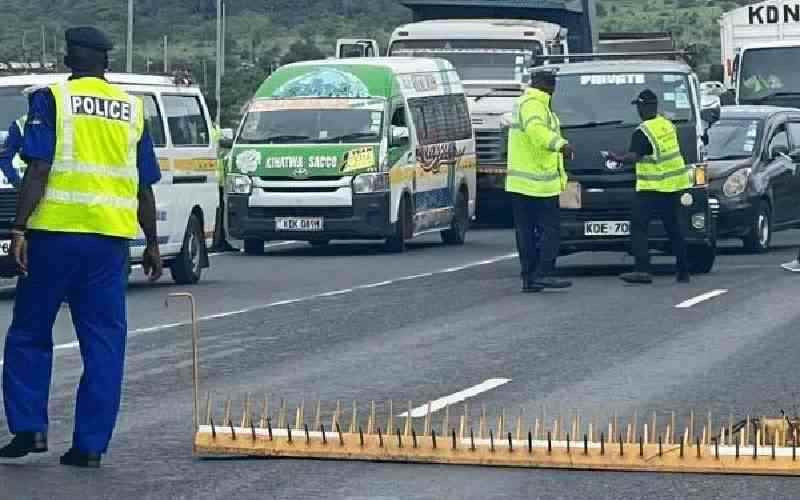
The suspension offers motorists relief after they expressed concerns over the implementation of the regulations that were to take effect from July 1. [File, Standard]
The National Transport and Safety Authority (NTSA) has detailed how its mandatory vehicle inspection regime would have operated, a day after suspending its enforcement on private cars.
Speaking on Tuesday, June 30, during an interview on NTV, Director General Nashon Kondiwa said inspection covers a vehicle's roadworthiness, including its registration, plate and chassis number, weight and colour.
"Because again, we have also the issue of stolen vehicles in this country. And people drive around with those stolen vehicles," he noted.
He said mechanical checks would cover brakes, suspension and headlights, while commercial vehicles face additional requirements.
"Vehicles that are supposed to be commercial vehicles, as we speak, we have insisted that a commercial vehicle must have a reflective light all around. And this is part of the rules that I can see people fighting. And the reason why we need this is just to make sure that this vehicle, when they stall on the road, you don't run and ram into it," explained Kondiwa.
Kondiwa said the authority needs to interact with vehicles physically rather than rely solely on records, defending a planned fee hike to Sh2,000.
"Over the years, the economy has changed, but the vehicle inspection fee has been Sh1,000. We are saying that, because there are private inspection centres, we need private investors to invest, and they cannot if there is no return on investment," he observed.
On Sunday, motorists got a reprieve after NTSA suspended enforcement of the rules that were to take effect from July 1.
The authority said it had notified police not to demand proof of the mandatory inspection certificate from private vehicles during road checks until further notice.
Initially, the authority had indicated that all private vehicles older than four years would be subjected to annual inspections under the newly introduced road safety framework.
The rules were published as Legal Notice No. 13 of 2026 on February 13, requiring privately owned and government vehicles older than four years to undergo annual inspections.
The framework also establishes licensing for private inspection centres and inspectors and creates offences and penalties for non-compliance.
The suspension comes even as lawyer Charles Mugane and public interest organisation Sheria Mtaani filed constitutional petitions at the High Court seeking to suspend the rules days before they were due to take effect.
Mugane argues NTSA failed to comply with Article 10 of the Constitution by introducing the regulations without meaningful public participation, and also challenges the fee schedule as unclear and excessive.
Stay informed. Subscribe to our newsletter
Motorists who fail to comply face a fine of up to Sh20,000, imprisonment for a term not exceeding six months, or both.


Subscribe to our newsletter and stay updated on the latest developments and special offers!